
Adapted Paddling Program Celebrates 25th Anniversary
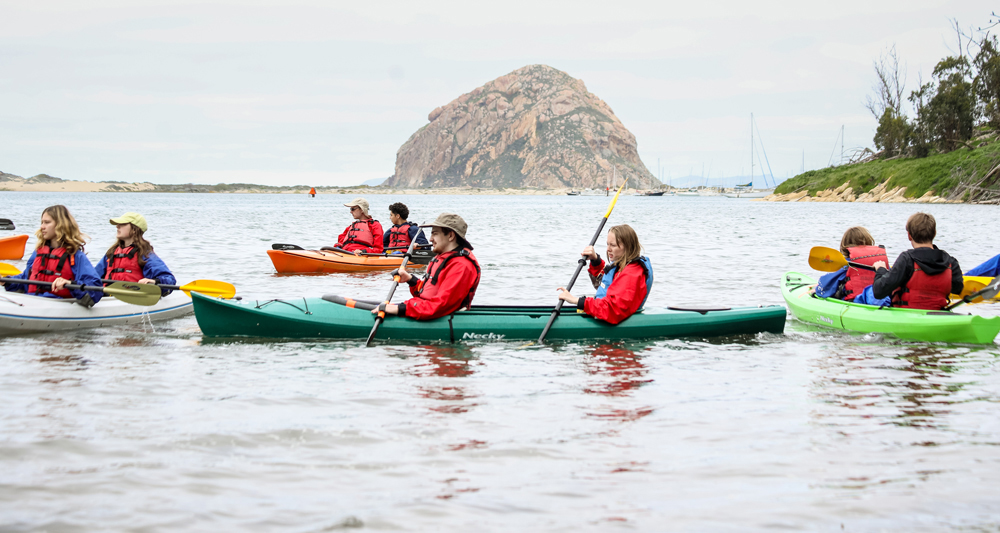
SAN LUIS OBISPO, California — Cal Poly’s Adapted Paddling Program will celebrate its 25th anniversary on Saturday, May 24, and Sunday, May 25, as part of its weekend activities helping community members with disabilities with kayaking.
The program, launched in the 1999-2000 academic year, brings together Cal Poly faculty and students, community volunteers and local people living with disability so they can learn from each other, foster invaluable bonds on a life-affirming excursion.
“This is a unique program to Cal Poly that’s really special and a testament to the longtime coordinators who have put so much into it,” said Darren Avrit, a Cal Poly faculty member in kinesiology/public health. “It has been their perseverance that would just not let this program go away. The Adapted Paddling Program is extremely valuable and needs to be celebrated because it’s a phenomenal program.”
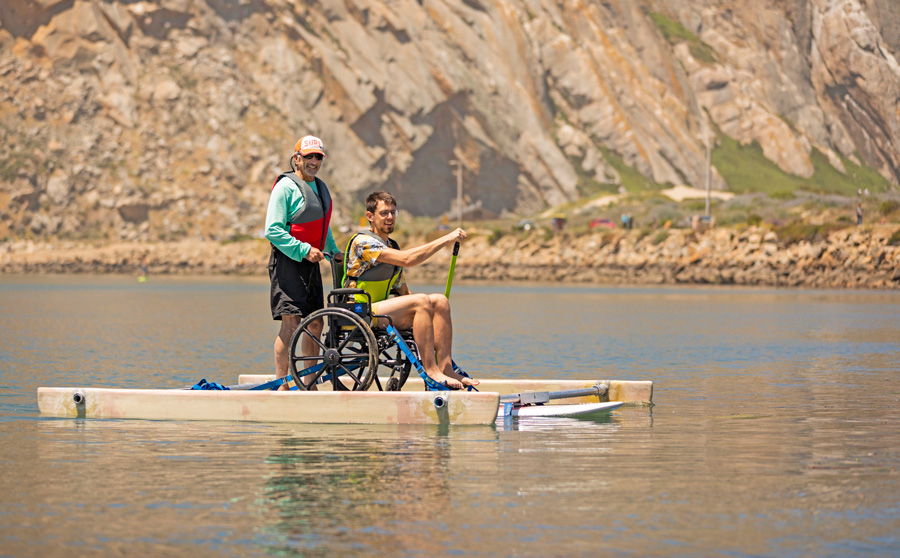
Over the years, individual participants have included those with Down syndrome, multiple sclerosis and cerebral palsy. Clients have included those with quadriplegia, paraplegia, amputation and muscular dystrophy.
The media is invited to weekend events that will include kayaking activities involving student supporters and participants with disabilities at the Anderson Aquatic Center located behind Mott Athletic Center on Cal Poly’s campus on Saturday from 1 to 2 p.m. with a lunch from noon to 1 p.m.
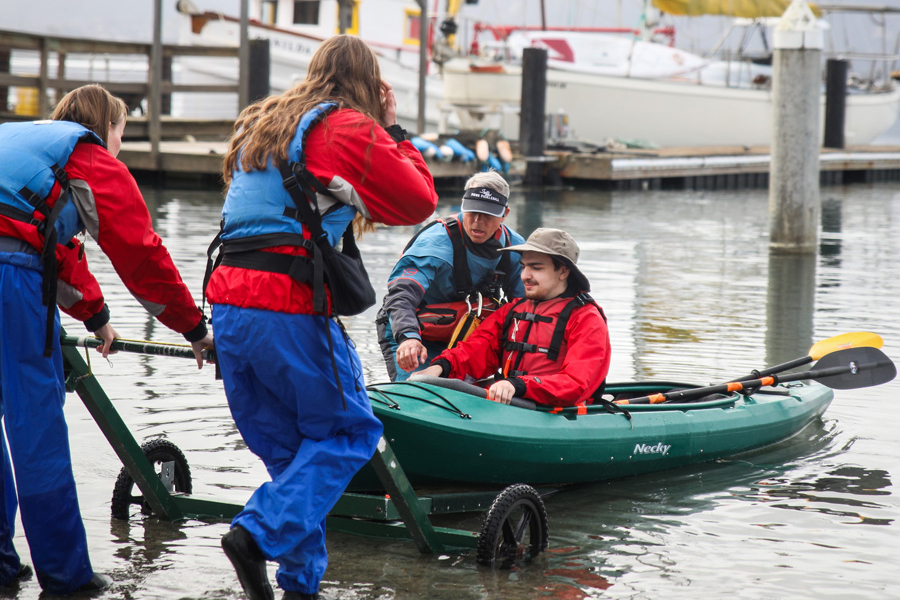
Then on Sunday, a celebration in Morro Bay honoring longtime program co-coordinators Kevin Taylor, a former Kinesiology/Public Health Department chair, John Lee,a program participant and Cal Poly Disability Resource Center staff member, and Tom Reilly, longtime former owner of Central Coast Kayaks, will be held between 9:30 and 10:15 a.m. at Tidelands Park, on the south end of the city’s Embarcadero, as the group prepares to launch boats into the bay.
Adapted paddling involves instructional education in which faculty and students work with participants to adapt kayaks and paddling support to individual needs. Students study proper posture support, including client seating that may include soft or rigid foam padding. They also create ease for clients to get in and out of a kayak.
Members of the media are invited to attend either day of activities.
Related Information
Contact: Darren Avrit,
805-801-2828, davrit@calpoly.edu
Read the Empowerment Through Paddling article to learn more about Cal Poly's Adapted Paddling Program and its impact on many.


