
Birds and humans, or Birds vs. Humans?
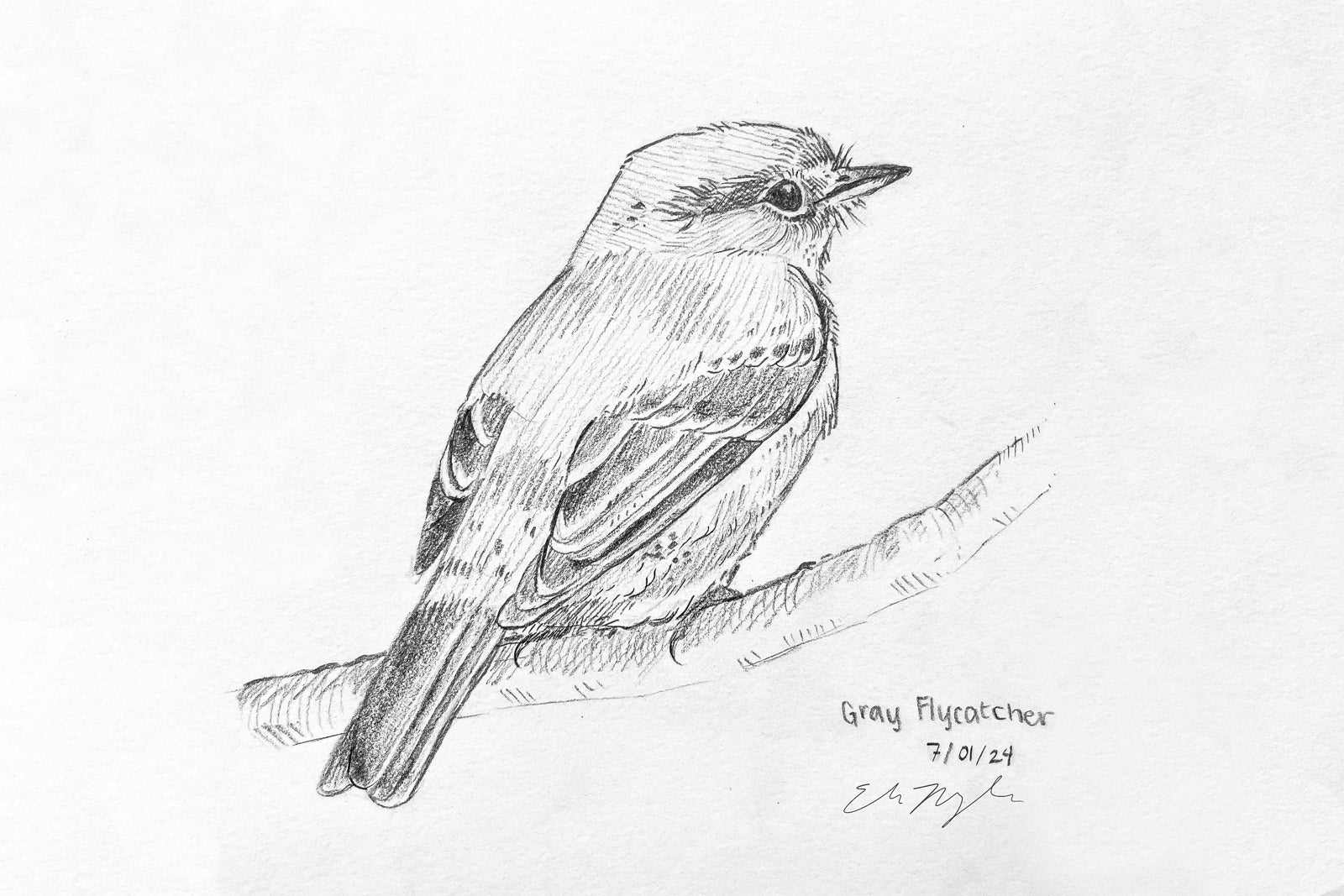
As human disturbances increasingly encroach on the everyday lives of birds, how well are our feathered friends faring?
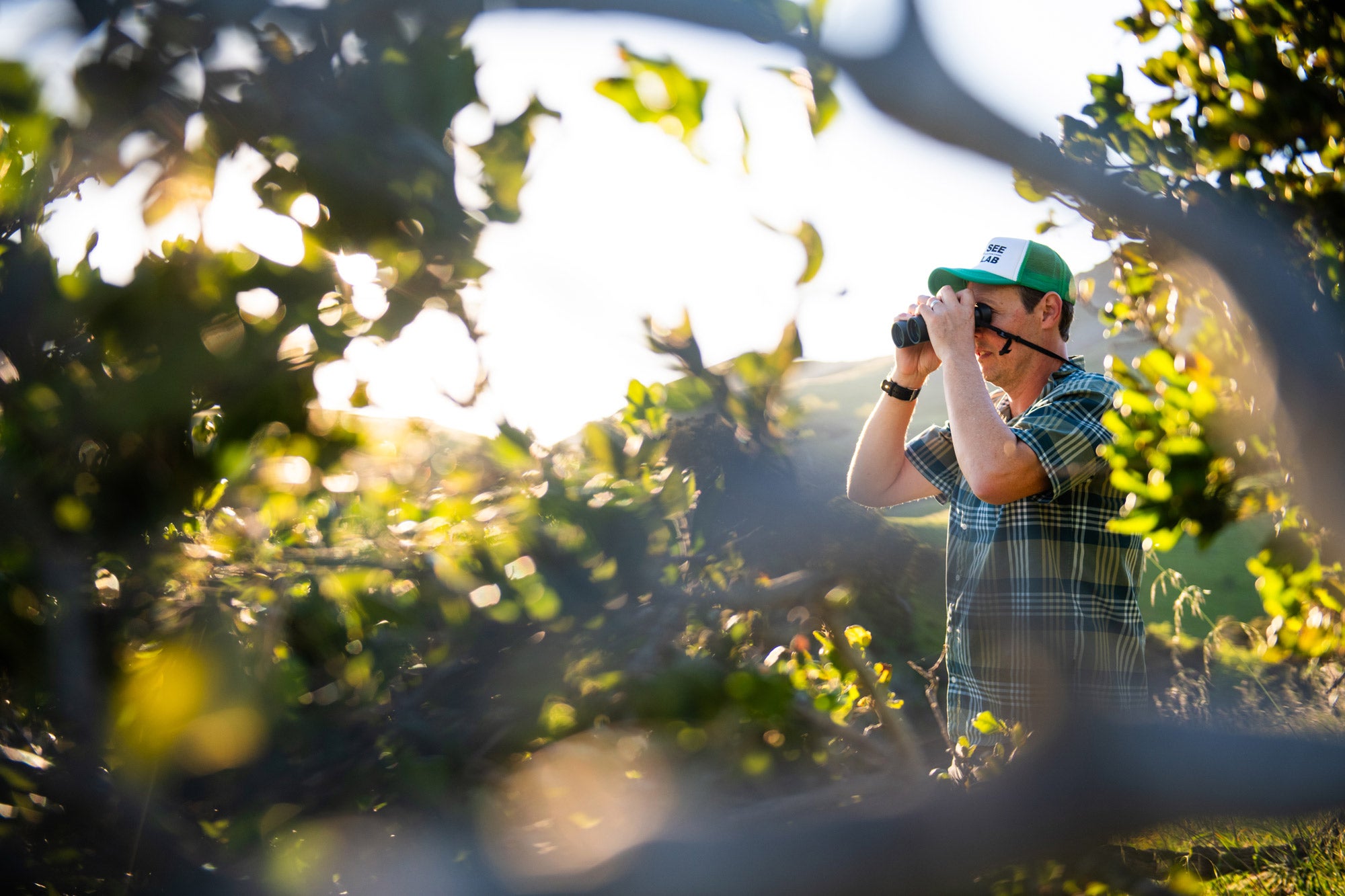
Biological sciences professor Clinton Francis and student collaborators are investigating human-caused effects on bird life from habitat disruptions to global warming trends.
By analyzing connections between bird life and environmental impacts, this research has led to multiple publications that broaden scientific knowledge and help guide policy.
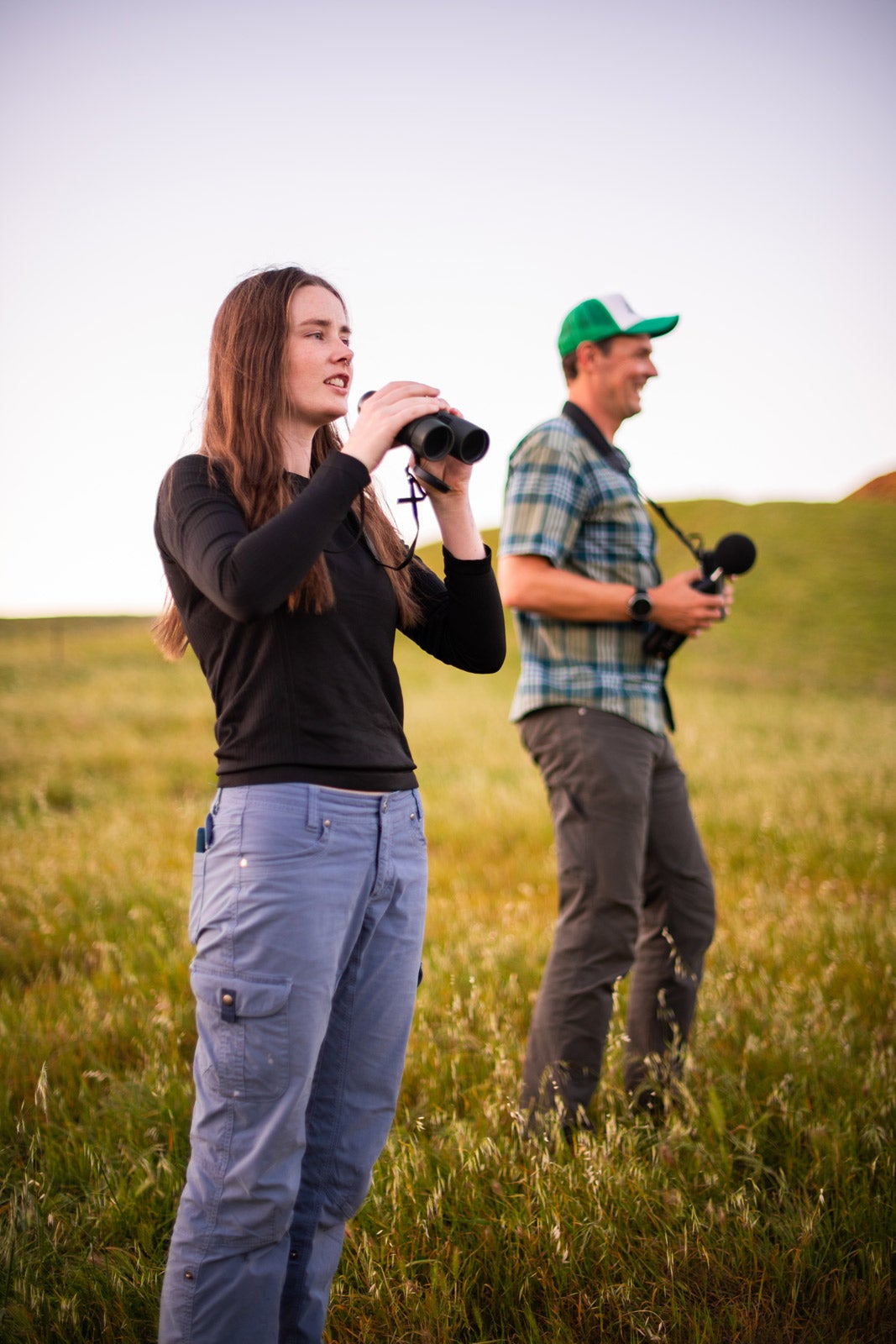
“These studies examine the question of ‘What are birds going to look like in a world dominated by humans?’” Francis said. “Which ones do well and which ones don’t?”
Research conducted in the Francis Lab has been inspired by a 2019 study led by Cornell Lab of Ornithology’s Kenneth Rosenberg, which revealed that North American bird populations have declined by 3 billion since 1970, heightening biodiversity and ecological concerns.
Cal Poly avian research has included field work in New Mexico, Poly Canyon on campus and California mountains and coastlines. Studies also draw from comprehensive public databases on species populations, vegetation, land use change and more.
Eva Moylan (Biological Sciences, ’24), a Cal Poly biology master’s student and the recipient of the 2025-26 Bailey College Correcaminos Scholarship dedicated to supporting ornithology research, is a coauthor of the study “Avian traits link divergent population responses to environmental change across North America” led by Francis and postdoctoral fellow Sarah Jennings. Moylan’s work, the focus of her senior project, was supported by the Frost Summer Undergraduate Research Program.
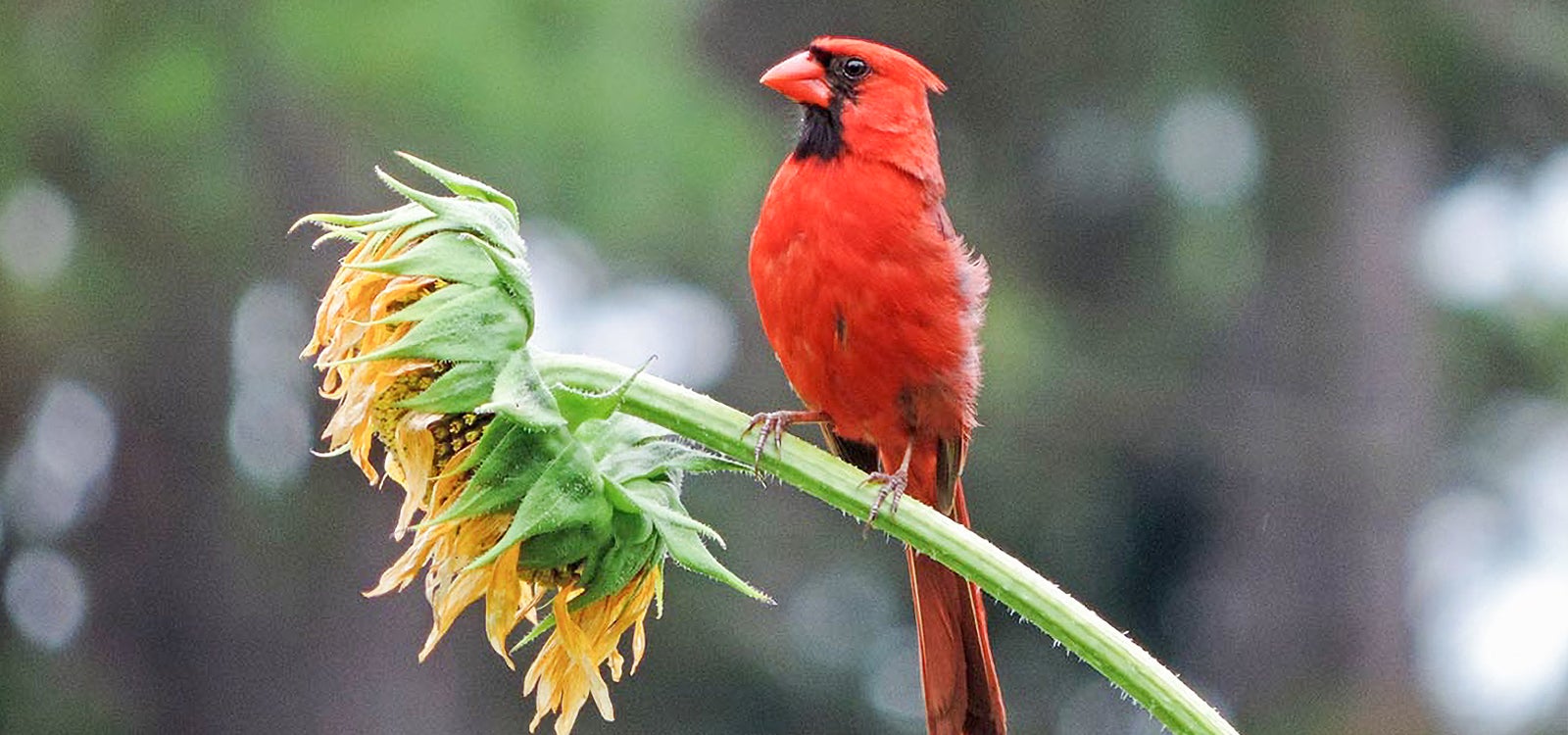
The team used wide-ranging data from 596,325 bird captures across 356 Monitoring Avian Population and Survivorship (MAPS) banding stations across the contiguous United States that track bird population and demographic data over time. The study examined 46 common North American species, including woodpeckers, robins, sparrows and cardinals, with time series data spanning up to 27 years.

These studies examine the question of ‘What are birds going to look like in a world dominated by humans?
— Clinton Francis, Biological sciences professor, sensory ecologist
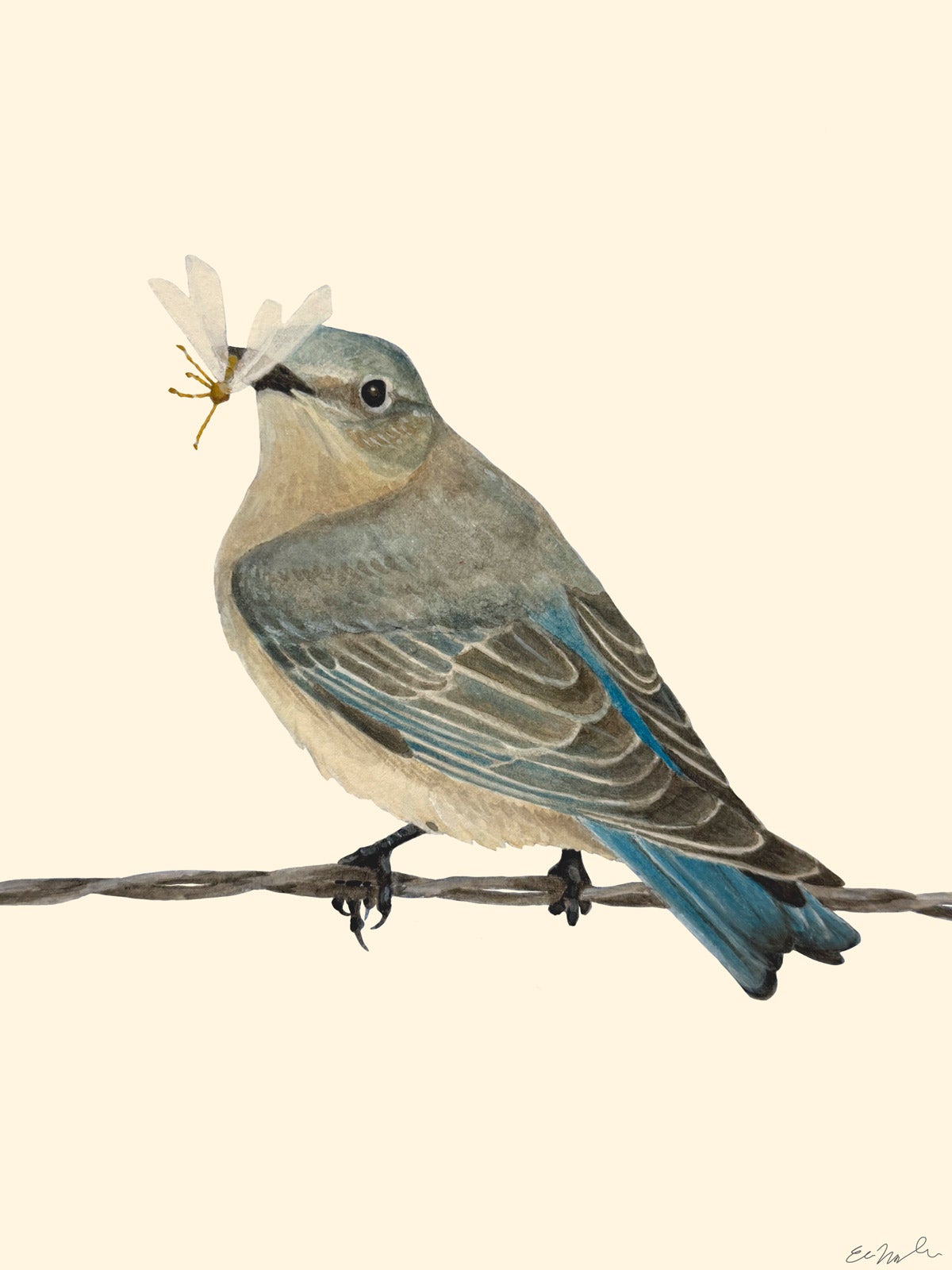
While population success varied with local-scale trends, findings revealed that: 1) increases in artificial light at night generally have contributed to bird population declines, especially species with low-light vision traits; 2) improvements in air quality through regulation over time with increased regulation have boosted populations, though increased air pollution from wildfires has caused some harm; 3) birds’ responses to warmer temperatures due to climate change were linked to their thermal niches (temperatures necessary to survive and reproduce); 4) local policy can effectively help improve population success.
“Local population change information can help inform land management of targeted areas, since populations in particular regions are changing in different ways,” Moylan said.
The authors note that 65% of species in the study responded to environmental changes that local governments can directly manage.
“There are meaningful actions cities and communities can take right now that could improve outcomes for birds,” Jennings said. “Reducing unnecessary nighttime lighting and improving urban habitat are just two achievable steps to improving bird populations.”
Moylan highlighted her work at the American Ornithological Society conference in 2024, winning the best presentation award for a non-Ph.D. student.
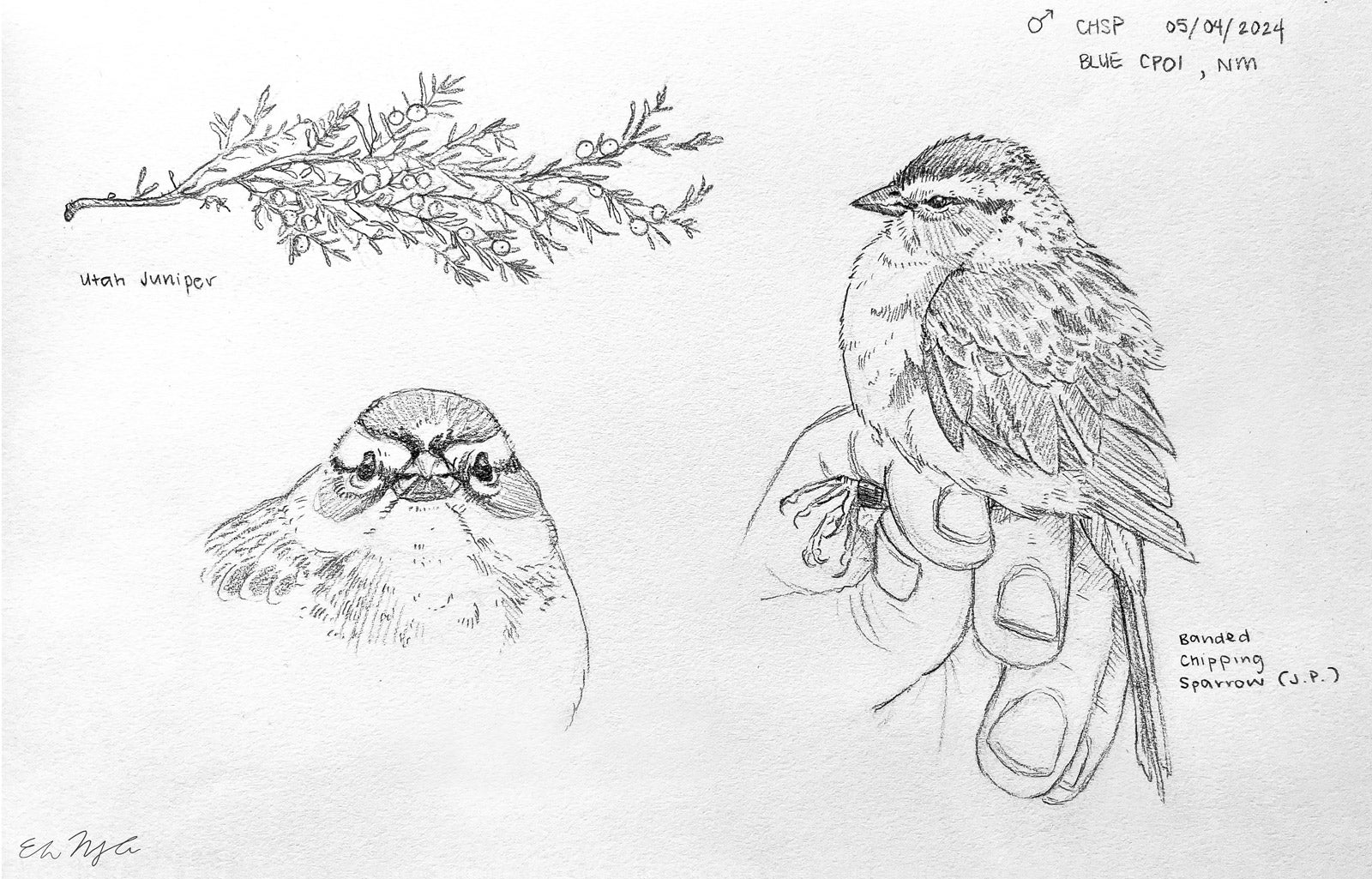
Moylan also has participated in Francis’ studies examining black oystercatcher reproductive success in San Luis Obispo County, as well as research in New Mexico, for which Francis received nearly $900,000 of a $2.6 million National Science Foundation grant, also involving Duke University and Washington State University.
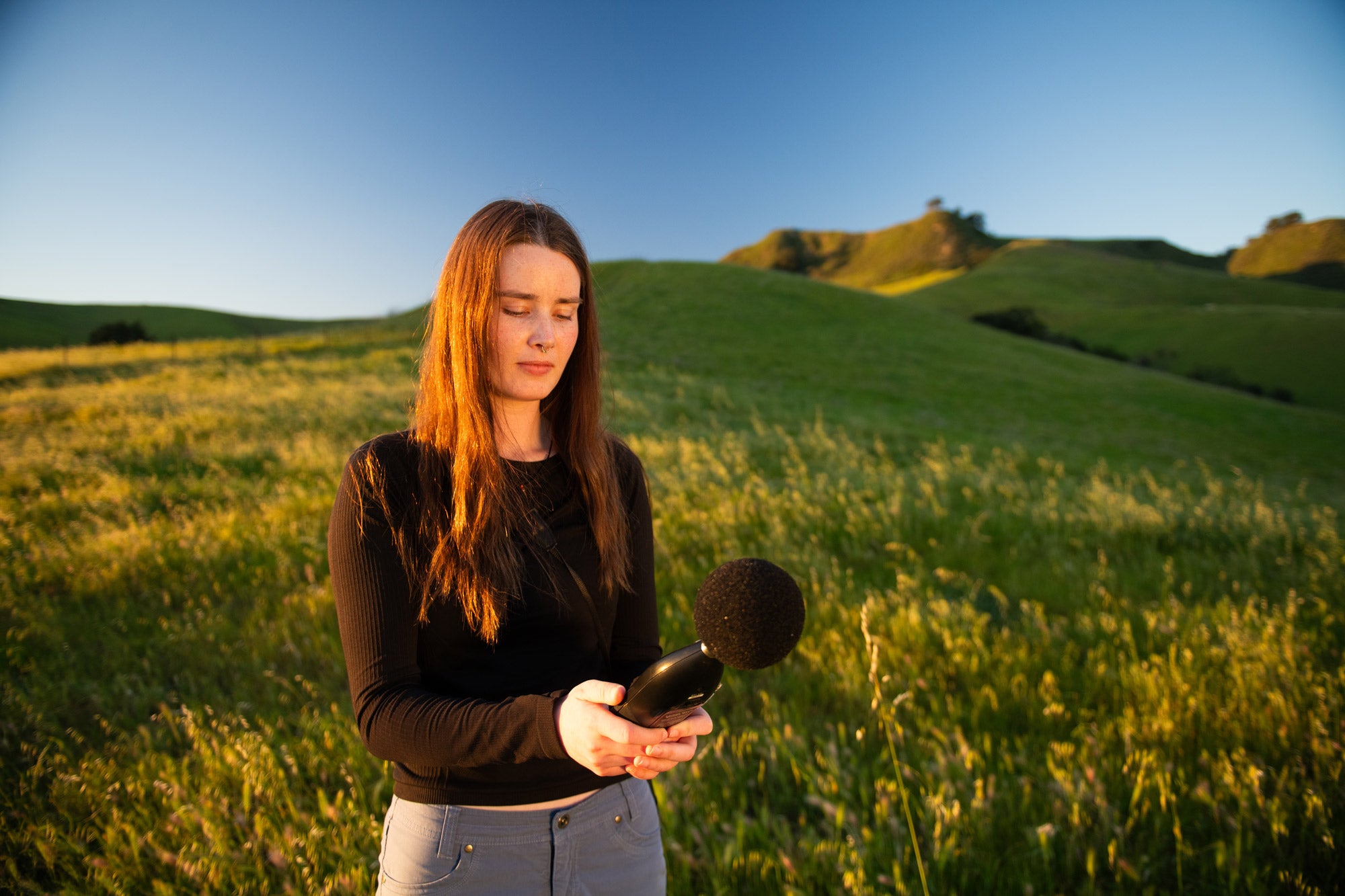
Like bird boxes installed in Poly Canyon, Cal Poly researchers have set up an array of man-made structures in a remote area of New Mexico to study artificial noise and light effects on bird breeding, stress and overall health.
Moylan’s master’s thesis includes study of how sensory pollution impacts avian behavioral responses to novel objects.
“Birds can be very sensitive to sensory pollution, which I’ve really found an interest in studying,” Moylan said.
In separate data-driven work, Emma Garrison (Biological Sciences, ’24) collaborated with Francis and Jennings to conduct her senior project on impacts to coastal birds through support from Santa Rosa Creek Foundation’s Earn by Doing program.
“It was a huge, quantitative study that very few undergraduates could pull off in biology because of the amount of time and statistical complexity,” Francis said.
With faculty guidance, and that of Jennings while a Frost Postdoctoral Fellow, Garrison led that project using R statistical software to analyze a wide range of information on hundreds of coastal birds, including herons, seaside sparrows and cormorants. They found that birds that nest in higher locations, and those with faster reproductive cycles tend to thrive better.
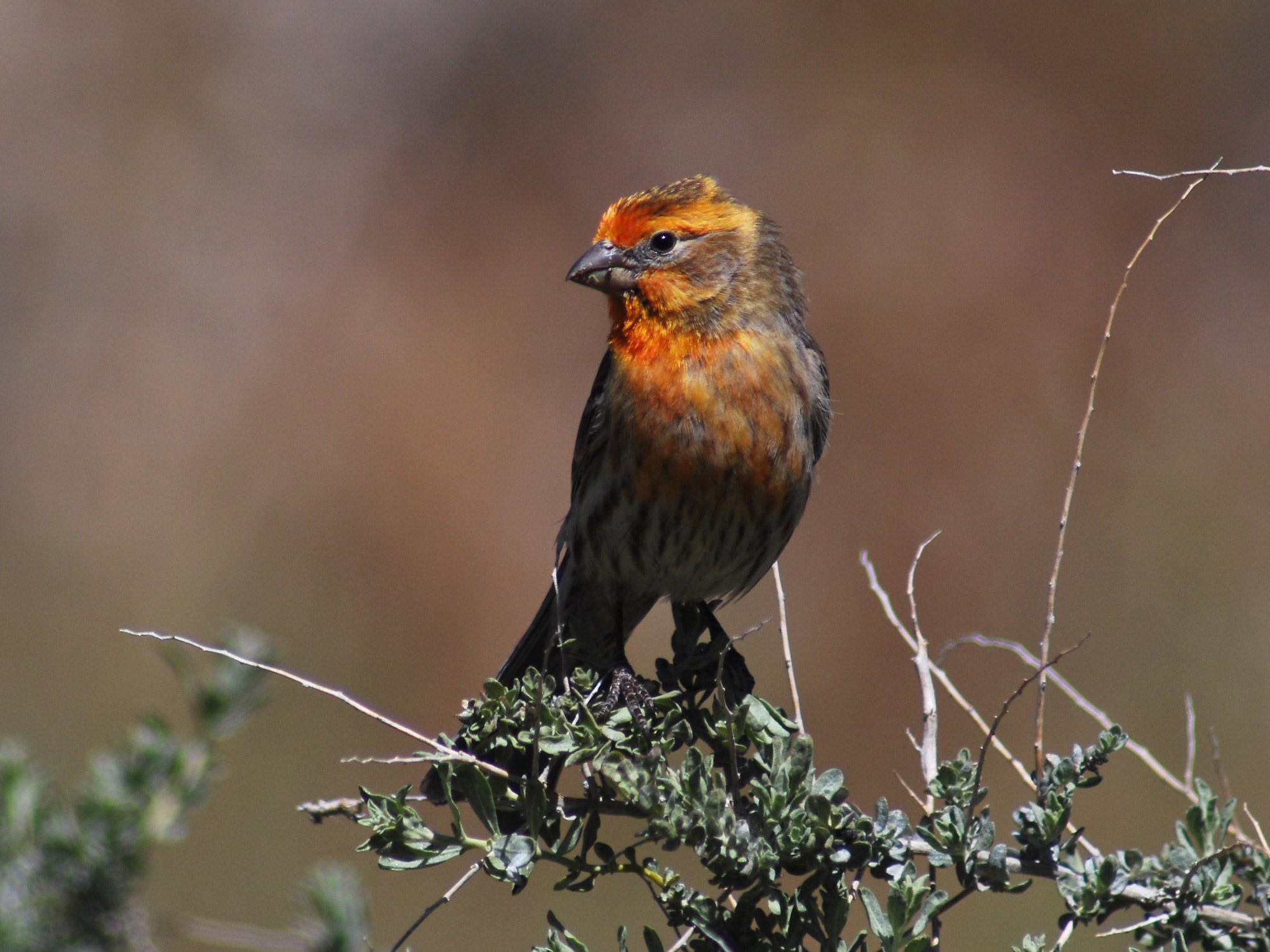
For example, the dark-eyed junco, a songbird inhabiting western North America, traditionally nests on the ground in natural settings, but it may breed off the ground as well. In San Diego, off-ground nests have been shown to greatly increase reproductive success.
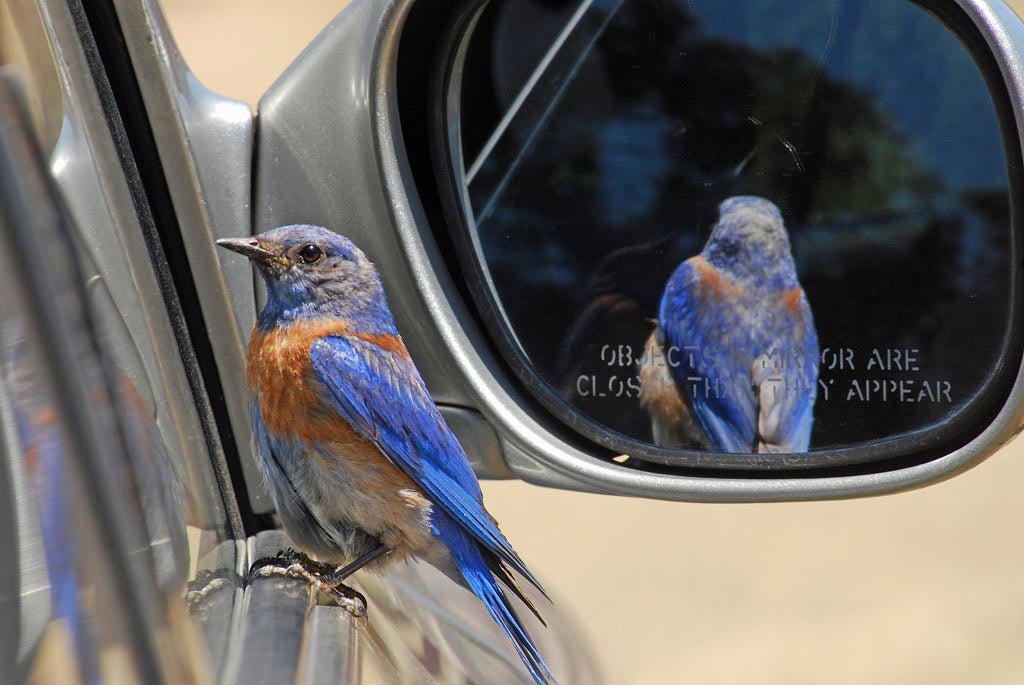
“People, cars, dogs and other disruptors exist on the ground that can threaten a nest, food sources or a bird’s ability to survive and cope with their environment,” Garrison said. “Those nesting higher up in trees or cliffs will be more urban tolerant.”
This work was supported by funding from the Santa Rosa Creek Foundation; the William and Linda Frost Fund; National Science Foundation; and a Cal Poly Research, Scholarly and Creative Activities (RSCA) grant.
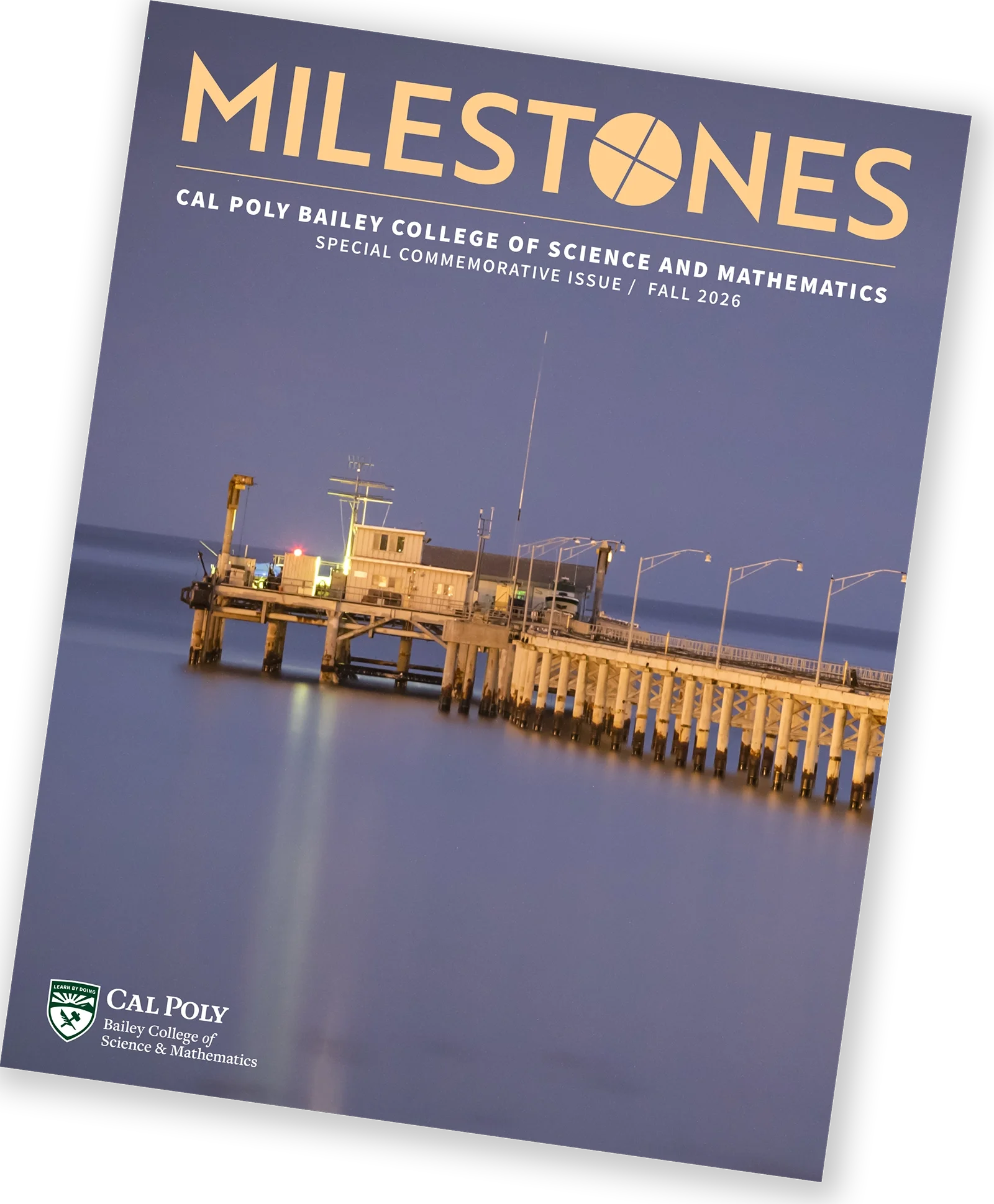
Explore the Full Issue
Published as part of Milestones, a special commemorative issue magazine from the Cal Poly Bailey College of Science and Mathematics in 2026.


